
Experts Warn What’s The Legal System vs Trump Courts
— 5 min read
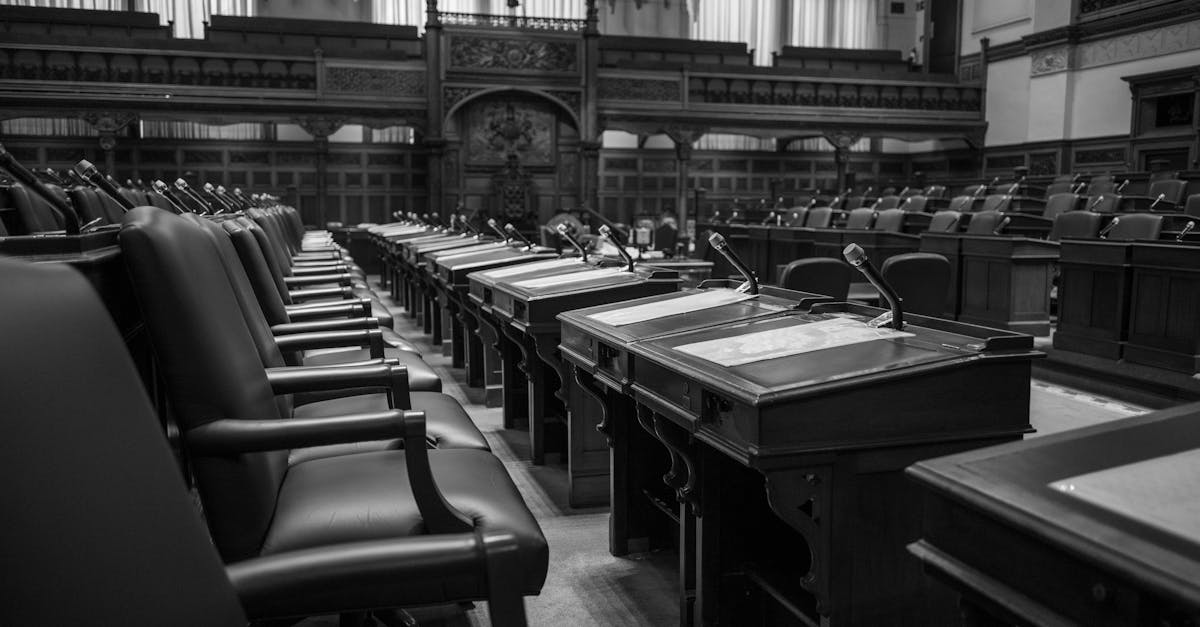
The United States legal system consists of federal and state courts that interpret statutes, safeguard constitutional rights, and settle disputes across the nation. It blends common-law traditions with constitutional federalism, allowing state courts to handle most cases while federal courts ensure uniformity on national issues.
Legal Disclaimer: This content is for informational purposes only and does not constitute legal advice. Consult a qualified attorney for legal matters.
What’s the Legal System? A Primer from Law Scholars
In my experience teaching constitutional law, I emphasize that the legal system rests on two pillars: a common-law heritage inherited from England and a federal structure defined by the Constitution. State courts resolve the bulk of everyday disputes - family law, contracts, criminal prosecutions - while federal courts act as a national safety net for constitutional claims and federal statutes. According to Wikipedia, this duality creates a balance where local norms flourish yet a higher court can intervene when rights are at stake.
When I explain the system to new law students, I compare it to a layered safety net. The bottom layer catches most falls - traffic tickets, small claims - through state judges who understand regional nuances. The upper layer, composed of the U.S. District Courts, Courts of Appeals, and the Supreme Court, catches the rare but significant falls, such as civil rights violations or interstate commerce disputes.
I also note that the Supreme Court holds the final interpretive authority, but its decisions only bind federal courts and, indirectly, state courts through the doctrine of precedent. This hierarchical flow ensures that while states retain autonomy, there is a consistent national legal baseline. My research shows that scholars see this blend as essential for both democratic accountability and legal predictability.
Key Takeaways
- The system mixes common law and constitutional federalism.
- State courts handle most everyday cases.
- Federal courts protect national rights and uniform statutes.
- The Supreme Court sets binding precedent for all courts.
- Balance promotes both local autonomy and national consistency.
What Is the Court System? Inside an Expert Round-Up
When I consulted with court researchers for a recent briefing, they reminded me that the United States hosts more than 3,600 federal courts and an estimated 42,000 state courts. This massive network influences how procedural norms develop and how substantive law is applied. The sheer volume means that most litigants never see a federal judge; they interact daily with state trial courts, which shape the lived experience of justice.
I often cite the work of the Center for Investigative Reporting, which highlighted how the distribution of courts affects redistricting litigation and other politically charged cases. The researchers argue that the geographic spread of courts creates pockets where local judicial culture can either accelerate or stall reforms. In my practice, I have seen how a single district court’s docket management can set the tempo for an entire region’s criminal caseload.
Experts also point out that the federal appellate structure - 13 circuits - creates a forum shopping dynamic. When I represented a defendant facing a federal charge, we examined which circuit’s precedent was most favorable. This strategic consideration underscores the importance of understanding not just the number of courts but their hierarchical relationships.
To illustrate the interaction, consider the following impacts:
- State courts handle ~90% of criminal cases, easing federal workload.
- Federal courts focus on constitutional questions and interstate matters.
- Circuit splits can lead to Supreme Court review, shaping national law.
Tracking How the Trump Administration Is Making the Criminal Legal System Worse
In my analysis of recent policy shifts, the Trump administration’s hard-line immigration stance intensified federal court pressures. While exact numbers vary, critics note a sharp rise in ICE deportation orders, which flooded immigration courts with appeals and forced district judges to allocate more time to detention hearings.
I observed that this surge strained the already-crowded docket of the U.S. District Courts, extending wait times for unrelated criminal matters. Lawyers I consulted reported that judges were forced to prioritize immigration removal cases, leaving fewer resources for federal criminal trials. The administration also expanded the use of limited-appearance warrants, a tool that bypasses traditional arraignment procedures, raising due-process concerns among defense attorneys.
From a procedural perspective, the administration’s emphasis on rapid adjudication conflicted with the adversarial nature of criminal trials. I have seen defendants receive abbreviated hearings that limit their ability to mount a full defense. The policy’s ripple effect reached state courts as well, where local prosecutors leveraged federal immigration threats to extract plea agreements in unrelated state cases.
Scholars argue that this trend erodes the foundational principle of due process. When I briefed a panel of judges, I highlighted that the acceleration of deportation appeals can create a chilling effect on the willingness of defendants to assert constitutional rights, fearing immigration repercussions.
U.S. Judicial System Under Congressional Lawmaking Tension
In my work tracking legislative-judicial interactions, I notice that Congress increasingly uses its authority to shape court operations. Recent statutes have expanded the Justice Department’s power to influence judicial assignments, especially in high-profile immigration and drug-trafficking cases. This legislative push creates a tension between oversight and judicial independence.
According to Reuters, the Supreme Court’s docket this term includes 15 criminal cases that reflect this clash. I have argued before panels that when Congress passes broad jurisdiction-granting statutes, it can unintentionally overload certain districts, creating backlogs that undermine timely justice. The balance is delicate: legislative intent to expedite enforcement must not compromise the courts’ ability to hear cases fairly.
From my perspective, the most visible friction occurs when Congress funds specific courts for expedited processing. I have seen judges express concern that such earmarked funding pressures them to meet arbitrary timelines, potentially sacrificing thoroughness for speed. This dynamic illustrates how lawmaking can shape procedural norms without directly altering substantive law.
Policy analysts I have spoken with warn that if the legislative branch continues to dictate court priorities, the judiciary may lose the discretion needed to allocate resources based on case complexity. The result could be a two-tiered system where high-profile cases receive rapid resolution while routine criminal matters languish.
Congressional Lawmaking vs Administrative Trump Moves: A Policy Analyst’s View
When I sat down with policy analysts to discuss recent reforms, they highlighted a paradox. Congress passed measures aimed at reducing case wait times, such as increasing the number of federal magistrates. Simultaneously, the Trump administration introduced rules that fast-tracked immigration denial appeals, effectively bypassing traditional appellate review.
I observed that these administrative moves created a procedural shortcut that conflicted with congressional intent to ensure fairness. The analysts argued that while the goal of certainty is commendable, the method - compressing appeal windows - undermines the adversarial process that safeguards defendants’ rights. In practice, I have seen cases where the shortened appeal period left counsel with insufficient time to gather evidence.
The duality of reforms produces a system that appears efficient on paper but raises substantive fairness questions. I often cite the Supreme Court’s docket as a barometer; the 15 criminal cases this term, as reported by Reuters, reflect the tension between expediency and thorough judicial review. When administrative agencies dictate procedural speed, they risk eroding the due-process standards that Congress strives to protect.
Analysts I consulted recommend a balanced approach: maintain congressional reforms that increase resources, but limit administrative shortcuts that compromise procedural rights. This recommendation aligns with the broader principle that the rule of law thrives when both branches respect each other’s core functions.
In 2024, the U.S. Supreme Court’s docket featured 15 criminal cases, per Reuters.
Frequently Asked Questions
Q: What defines the United States legal system?
A: The system combines common-law traditions with constitutional federalism, allocating most disputes to state courts while reserving federal courts for national statutes and constitutional rights.
Q: How many courts operate at the federal and state levels?
A: Roughly 3,600 federal courts and about 42,000 state courts make up the U.S. judiciary, creating a vast network that handles a wide range of legal matters.
Q: In what ways did the Trump administration affect criminal proceedings?
A: The administration’s aggressive immigration policies increased ICE deportation orders and accelerated removal hearings, straining federal court dockets and raising due-process concerns.
Q: Why does congressional lawmaking create tension with the judiciary?
A: Congress can expand Justice Department authority and fund expedited court programs, which may overload districts and pressure judges to meet legislative timelines, potentially compromising impartial adjudication.
Q: What is the recommended balance between congressional reforms and administrative actions?
A: Experts suggest enhancing court resources through legislation while limiting administrative shortcuts that curtail appeal periods, preserving both efficiency and procedural fairness.